
Contents:
- Comparing Luxury Vinyl Plank and Tile for Tampa Homeowners
- Weighing Pros, Cons, and Installation Considerations for Flooring Success
- Luxury Vinyl Plank: Benefits and Drawbacks
- Tile: Pros, Cons, and Installation Realities
- Cost Breakdown: Material, Labor, and Long-Term Value
- Key Points to Consider Before Choosing
- Performance in Tampa’s Climate: Moisture, Heat, and Sunlight
- Making the Right Flooring Choice for Your Tampa Home
When renovating homes in Tampa, one of the most pivotal decisions involves choosing the right flooring. Homeowners increasingly consider both luxury vinyl plank and traditional tile, each offering distinct advantages for Florida’s unique climate and lifestyle. The abundance of styles and performance features adds complexity to the process, but guidance is within reach. Many, for example, explore the comprehensive selection of TAMPA BAY FLOORS Tampa floors, appreciating the value of expert advice when narrowing down the ideal material for their specific needs. In a region where humidity, temperature swings, and active households are common, understanding the pros, cons, and costs of each flooring option is essential for making a confident, informed investment in a lasting renovation.
Comparing Luxury Vinyl Plank and Tile for Tampa Homeowners
Luxury vinyl plank (LVP) and tile are both resilient choices for Tampa homes, but their core attributes set them apart in terms of durability, comfort, aesthetics, and maintenance.
Luxury vinyl plank is engineered from multiple layers of PVC, creating a flooring material that resists spills, scratches, and moisture. It convincingly mimics natural wood or stone aesthetics, yet feels softer and warmer underfoot. LVP’s resilience makes it suitable for active households and high-traffic areas such as living rooms and kitchens. Due to its waterproof nature, it’s also an excellent option for bathrooms and laundry spaces prone to humidity–common in the Tampa Bay area.
Tile, whether porcelain or ceramic, remains a classic choice. It’s renowned for its hardness and longevity, withstanding decades of wear without losing its color or luster. Tile resists moisture and heat, making it ideal for Florida’s subtropical weather. The surface is easy to sanitize and inhospitable to allergens, a compelling benefit for families with sensitivities. Additionally, tile’s vast array of patterns, textures, and sizes allows for creative expression–whether you favor a sleek, modern look or the timeless appeal of Spanish terra cotta.
However, these options diverge in comfort and practicality. Tile, while beautiful, tends to feel cooler and harder underfoot, which some Tampa homeowners appreciate in the summer heat but may find less comfortable for extended standing. Luxury vinyl plank offers a softer step and reduced impact noise, enhancing day-to-day living, especially in homes with children or pets.
Weighing Pros, Cons, and Installation Considerations for Flooring Success
To make an informed decision, it’s essential to compare the main strengths and weaknesses of luxury vinyl plank and tile, factoring in installation complexity as well as long-term performance.
Luxury Vinyl Plank: Benefits and Drawbacks
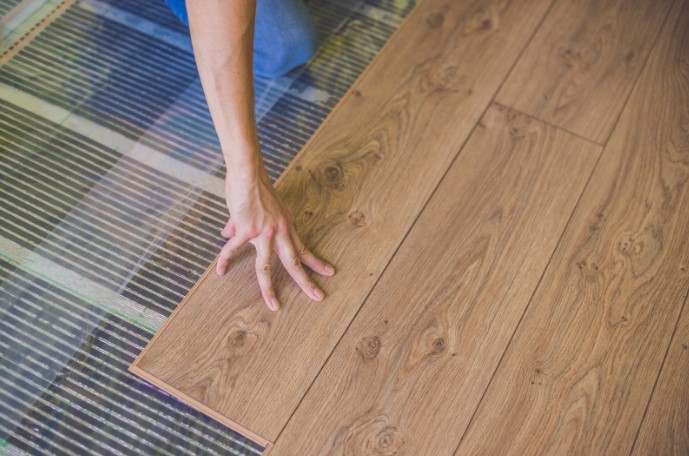
LVP excels in adaptability; it can be installed over existing flooring, simplifying renovations. Its click-and-lock or adhesive installation options often make the process quicker and less disruptive. Thanks to its cushioning layers, LVP also mitigates noise and provides underfoot comfort, which is especially appealing in homes with upstairs bedrooms or playrooms.
Nonetheless, luxury vinyl plank is susceptible to dents from heavy furniture and may show fading if exposed to intense direct sunlight–an important detail for rooms with large south-facing windows. While modern LVP products offer improved scratch resistance, deep gouges or burns generally require replacement of individual planks.
Tile: Pros, Cons, and Installation Realities
Tile’s greatest strengths are its longevity and ease of cleaning. Once installed properly, tile can last for decades with minimal maintenance. Its hard, glazed surface repels stains, odors, and allergens, making it a top choice for kitchens and bathrooms. However, the installation process is more labor-intensive, involving subfloor preparation, precise layout, grouting, and curing times. Tampa homes with uneven foundations may require additional subfloor work to ensure a flawless result.
Coldness and hardness, while beneficial in a hot climate, may be less comfortable in bedrooms or living spaces. Additionally, dropped objects are more likely to break on tile, and grout lines can discolor without diligent sealing and cleaning.
For homeowners seeking a professional installation in the Pinellas region, the company TAMPA BAY FLOORS coordinates comprehensive tile solutions with its tile installation Clearwater service, ensuring both technical excellence and aesthetic appeal.
Cost Breakdown: Material, Labor, and Long-Term Value
Budget considerations play a crucial role in flooring selection. Both luxury vinyl plank and tile offer a range of price points, allowing Tampa homeowners to tailor their choices to their project scope and design goals.
- Material Costs: High-quality luxury vinyl plank typically ranges from $2 to $7 per square foot. Premium styles with enhanced textures or commercial wear layers fetch higher prices. Tile varies widely–basic ceramic tiles may cost $1.50 to $5 per square foot, while premium porcelain or designer patterns exceed $15 per square foot.
- Installation Fees: LVP flooring installation runs from $1.50 to $3 per square foot for professional labor, reflecting the product’s quick, straightforward process. In contrast, tile installation is more labor-intensive, averaging $5 to $10 per square foot, with complex patterns or larger tiles resulting in higher charges.
- Maintenance and Longevity: Both materials are low-maintenance, but tile may require periodic grout sealing. While LVP generally lasts 10-20 years, well-installed tile floors can endure 30 years or more.
For homeowners seeking tailored guidance and installation, the company TAMPA BAY FLOORS features a dedicated installer team with expertise in both materials, as detailed on https://tampabayfloors.us/services/floors/floors-installation-service.
Key Points to Consider Before Choosing
- Assess traffic patterns and room usage–high-traffic spaces benefit from durable options.
- Factor in comfort and acoustics–LVP is softer and quieter, tile is cooler and harder.
- Weigh total budget–consider both material and professional installation costs.
- Plan for long-term upkeep–tile outlasts LVP but may need periodic grout care.
- Match style and resale potential–choose flooring that complements your home’s architecture and appeals to future buyers.
Performance in Tampa’s Climate: Moisture, Heat, and Sunlight
Tampa presents specific environmental challenges for flooring, including elevated humidity, tropical storms, and high UV exposure through large windows. Both luxury vinyl plank and tile handle moisture and spills with ease, though tile’s impervious surface offers unmatched resistance to standing water–making it the preferred choice for showers and poolside interiors.
LVP’s advanced finishes now resist warping and swelling, but extreme heat or humidity may still impact lower-quality planks. Intense sunlight can discolor both materials over time, though modern UV-resistant coatings reduce this risk. For rooms exposed to daily sun or near exterior doors, it’s wise to discuss options with flooring specialists to ensure long-lasting beauty and performance.
Making the Right Flooring Choice for Your Tampa Home
In the end, both luxury vinyl plank and tile can transform a Tampa home with practicality, style, and value. The final decision should reflect your household’s lifestyle, design preferences, budget, and long-term plans. Investing in quality materials and expert installation ensures years of comfort and satisfaction, whether you opt for the warmth and resilience of LVP or the timeless durability of tile.